Soft Washing vs. Pressure Washing in Hawaii: What’s Safe for Your Home?
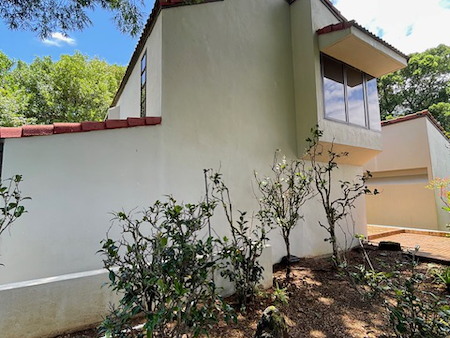
Honolulu’s salt air, trade winds, and passing showers can coat your siding and roof faster than you expect. That is why many homeowners ask whether soft washing or pressure washing is safer. In most cases, soft washing is the gentle, effective choice for painted siding, stucco, trim, and roofs, while higher pressure is reserved for tough materials like concrete. If you are focused on exterior care that protects finishes and lasts, start by learning how professional house washing in Honolulu, HI fits into a complete plan for your home.
Below, you will see when each method works best in Hawaii’s climate, how to protect delicate surfaces, and how often to schedule service in our coastal neighborhoods from Hawai‘i Kai to Mānoa.
Why Honolulu Homes Need Gentle Cleaning
Our island climate speeds up buildup. Salt rides the breeze from the ocean. Humidity and short showers keep walls damp. Shade on the mauka side of the house lets algae and mildew take hold. That mix is tough on paint, stucco, and sealants.
Soft washing targets this kind of organic and salty film without stressing your home’s exterior. It uses controlled, low pressure with the right solutions to loosen growth and residue, then rinses clean. The result is a longer-lasting clean with less wear on finishes.
Soft Washing vs. Pressure Washing: What’s the Difference?
Where Soft Washing Wins in Honolulu
Soft washing shines on painted siding, stucco and EIFS, wood trim, screened lanais, fences, and most roof types. It is designed to break down algae, mildew, and salt haze, then rinse at a low pressure that will not drive water behind siding or chip paint. **Avoid high pressure on stucco and painted siding** if you want finishes to last.
When Pressure Washing Still Makes Sense
Pressure washing is still useful for strong, non-painted surfaces that can handle it, such as concrete driveways, pavers, and some brick. The goal with pressure is to lift deep stains, tire marks, and embedded grime that a gentle rinse cannot remove. Even then, experienced techs balance technique with distance, nozzles, and flow so the surface is cleaned without etching.
Safe House Washing Methods for Stucco, Wood, and Siding
Stucco and EIFS
Stucco looks beautiful in the sun but its texture holds onto growth and salt film. Soft washing lets the solution work into the pores so the rinse can carry contaminants away. **Never let a contractor blast stucco with high pressure**, which can scar the finish and open paths for water.
Painted Wood and Single-Wall Homes
Many older homes across Honolulu use painted wood and single-wall construction. These can flex at seams and around windows. A careful soft wash protects paint and caulking while removing streaks and soot near roads in Kaimukī, Kapahulu, and parts of Waikīkī.
Vinyl and Fiber Cement
Vinyl and fiber cement stand up well to the elements but still show salt haze and algae on shaded sides. A soft wash clears the buildup and helps keep panels from chalking or fading early.
Roof Soft Washing on Oahu: Protecting Shingles and Tile
Roofs take the brunt of heat, salt, and passing rain. On asphalt shingles, dark streaks often signal algae. Clay and concrete tile can show dull film and dark patches. Soft washing removes this growth and film without forcing water up under laps or into fasteners. **Ask for soft washing on asphalt shingle and tile roofs** to protect coatings and underlayment.
How Often Should You Clean in Honolulu, HI?
There is no single calendar that fits every home. Exposure, shade, and wind matter. As a simple guide, coastal and wind-exposed homes tend to need attention sooner than inland or sunnier areas with good airflow.
- Coastal or wind-exposed exteriors: clean more frequently to stay ahead of salt haze and light rust spots on fasteners
- Shady valleys and tree-lined streets: watch for green streaks and plan routine soft washing before they spread
- Inland neighborhoods with steady sun and airflow: longer intervals are common, with touch-ups after Kona wind events
For a deeper scheduling guide, see this local read on how often to schedule house washing based on exposure and materials.
What About Hawaii’s Salt Air, Trade Winds, and Microclimates?
Microclimates make a big difference from one block to the next. Homes close to the shoreline in Hawai‘i Kai, Kaka‘ako, or along Ala Moana see steady salt spray. Valleys like Mānoa and Nu‘uanu often keep walls damp, which speeds up organic growth. West O‘ahu communities can see more dust and sun, so you may notice haze on the leeward side and soot near busy roads.
That is why a one-time cleaning rarely lasts all year in every spot. A soft wash plan tuned to your exposure keeps the edges and windward sides from getting ahead of the rest of the house.
Choosing the Right Method by Material
- Painted siding, stucco, EIFS, trim, and soffits: soft washing
- Asphalt shingle and tile roofs: soft washing
- Concrete drives, sidewalks, and some brick: pressure washing with care
If you want a single service that covers the walls, eaves, and trim, schedule professional house washing and add targeted concrete cleaning as needed. You can also review other options as part of residential pressure washing to keep the whole property in step.
Plant, Paint, and Property Protection
Soft washing is safe when it is handled by trained pros who prep the site. That includes protecting plants with water before and after treatment, using the right mix for your surfaces, and keeping sensitive fixtures in mind. **Good preparation prevents overspray, streaks, and spotting** so your project looks even and bright.
Experienced teams also adjust their plan for older paint, hairline stucco cracks, and sun-baked trim. The goal is a thorough clean that respects your home’s age and materials.
Comparing Providers in Honolulu
Before you book, compare companies on more than a price range. Look for experience with stucco and roof soft washing, a clear plan for plant protection, and a simple walk-through of what to expect. Ask for local references in your neighborhood and photos of similar homes.
If you are researching pressure washing vs soft washing in Hawaii, that page is a helpful starting point to see how services fit together at ProSoftWash. You can always call us to talk through materials and exposure at your property.
When to Book Service
Honolulu’s weather is steady, so you can clean year-round. Many homeowners plan a soft wash before the wetter season or after a windy stretch that leaves a salty film. If you are preparing to repaint, schedule cleaning first and let the surface dry so the new coating bonds well.
For routine upkeep, a light touch-up on the saltiest or shadiest walls between full visits keeps the rest of the home looking consistent.
Ready for a Safer Clean on Oahu?
You want a home that looks bright without risking paint, stucco, or roofing. Soft washing is built for that. If you are ready to protect finishes and curb appeal, reach out to ProSoftWash at 808-225-9587. Our team can map out the right schedule for your neighborhood and surfaces, and we will treat your landscaping as carefully as your siding. When you are set to move forward, explore our approach to professional house washing and see how it fits into whole-home care.