The Impact of Ocean Salt on Your Home and How Pressure Washing Helps
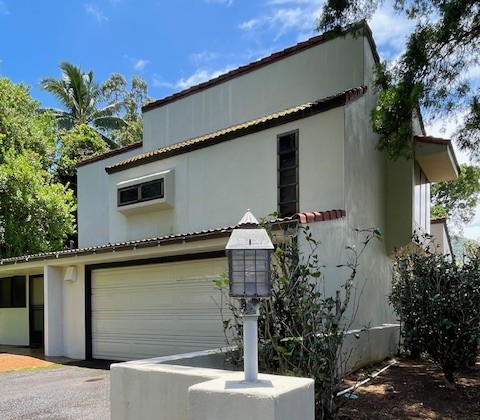
Living near the water in Honolulu is a dream, but the same ocean breeze that keeps our days cool also carries salt that sticks to paint, metal, glass, and stone. Left alone, that salty film attracts moisture and accelerates wear. This guide explains why salt air is hard on island homes and how professional cleaning protects your exterior. For a deeper dive into best practices, explore our pressure washing tips.
Why Salt Air Is Tough On Honolulu Homes
Trade winds move salt spray inland from Waikīkī to neighborhoods like Kaimukī, Mānoa, and Kakaʻako. Tiny salt crystals settle on siding, railings, windows, and roofs. When humidity rises, salt attracts moisture and forms a damp layer on your surfaces. Over time, that layer can etch glass, stain paint, and speed up rust on any exposed metal from gates to lanai furniture.
Think of salt like a magnet for moisture. It keeps surfaces wet longer after evening showers or morning dew. That extra wet time is when problems start. Paint fades faster. Aluminum and steel parts show orange or white streaks. Stucco and stone take on a stubborn haze that makes colors look dull. Wood can discolor and feel rough to the touch.
Salt attracts moisture, which speeds up corrosion and staining. Add strong sun and frequent trade winds, and the cycle accelerates. That is why homes near the ocean often show wear sooner than homes farther inland on Oʻahu.
Where Salt Buildup Shows Up First
Every property is different, but certain areas tend to show early signs of salt damage, especially for homes in Hawaii Kai, Ala Moana, and along the shoreline in Waikiki. If you live within a few blocks of the beach or on a ridge with constant wind, keep an eye on these surfaces:
- Metal railings, gates, and hardware, including hinges and fasteners
- Glass doors and windows, especially ocean-facing panes
- Painted siding, soffits, and fascia where runoff collects
- Lanai floors, pavers, driveways, and pathways with standing spray
- Outdoor lighting, mailboxes, and AC units with exposed fins
Early clues include a chalky film on paint, a faint white crust on glass, or orange-brown flecks on metal. You may also see darker drip lines under window sills and along trim where salt-laden moisture evaporates and leaves residue behind.
How Professional Pressure Washing Protects Your Home
Professional pressure washing removes salt crystals and sticky grime before they break down finishes. Experienced technicians choose the right pressure, temperature, and detergents for your home’s materials. On painted siding, a low-pressure rinse helps clear residue without harming the coating. For concrete and pavers, a calibrated wash lifts buildup from textured surfaces so the clean lasts longer.
Pros also know the order of operations. They start with a targeted pre-rinse, apply a cleaning solution that loosens salt and organic film, then flush everything thoroughly. That complete process helps protect glass clarity, restore the look of trim, and slow oxidation on metal. It also removes contaminants that hold moisture, so your exterior can dry faster after rain.
If you have a mix of materials, such as wood accents with aluminum railings, pros adjust settings section by section. The goal is to clear salt without forcing water under siding or into seams. That care matters in humid climates where trapped moisture can linger.
Local insight: Salt spray reaches well beyond beachfront blocks when winds pick up. Even homes in Mānoa and Salt Lake can collect a thin film on upper-story windows. Staying consistent with maintenance keeps small issues from turning into repairs.
How Often Honolulu Homes Need Pressure Washing
Timing depends on your distance from the ocean, your exposure to wind, and your exterior materials. Homes in exposed areas of Hawaii Kai or along Kalanianaʻole Highway may need service more often than sheltered lots in upland valleys. A practical approach is to match your schedule to visible signs and seasonality rather than a rigid calendar.
Many homeowners find that service at the end of summer and after the windiest periods keeps surfaces brighter. If you see haze returning on windows or chalky streaks under trim, move your next appointment sooner. Schedule service more often if you are within a few blocks of the shoreline.
What To Expect From A Professional Visit
Before cleaning, a trained technician will walk the property, note sensitive areas, and choose the safest approach for each surface. Expect careful protection of outlets, lighting, and door thresholds. On the job, they will use a measured process to loosen salt and rinse thoroughly, aiming to restore color and clarity without stressing paint or caulk.
Good providers keep communication simple. They explain which areas need attention first and what results to expect on older surfaces that already show wear. You should finish with a clean, fresh look and no residue left behind. The point is not just a quick rinse. It is a targeted cleaning that helps prevent long-term damage.
Why Not Wait Until You See Heavy Damage
Waiting for flaking paint or etched glass makes recovery harder. Metal rust spreads from small pits to larger patches, and stains take root in tiny pores. Catching buildup early gives you better results from every cleaning. That is particularly true in Honolulu, where constant sun, salt, and humidity combine.
Think of maintenance like sunscreen for your home. Regular protection keeps your finishes looking right and helps them last. If you stay ahead of the elements, you will spend more time enjoying your lanai and less time worrying about ugly streaks or film on your windows.
Common Salt-Related Problems On Oʻahu Homes
Here are issues homeowners in neighborhoods from Waikīkī to ʻĀina Haina see most often:
- Cloudy or streaked windows that never look clear after normal rinsing
- Rust spotting on railings, door hardware, and light fixtures
- Faded or chalky paint on ocean-facing walls and trim
- Haze on pavers and decorative stone that dulls color
- Sticky film on outdoor furniture and glass tabletops
These problems share a root cause: salt residue that holds onto moisture and grime. A professional cleaning plan focuses on removing that residue completely and helping surfaces dry clean.
How Professional Cleaning Extends The Life Of Finishes
Paint manufacturers design coatings to stand up to weather, but salt and sun are a tough pair. Removing the salty layer helps coatings do the job they were built to do. The same logic applies to sealers on stone and pavers. A clean surface accepts new protection more evenly, so it lasts longer and looks better.
On metals, clearing residue helps reduce pitting and staining that can spread under paint or powder coat. For glass, removing mineral and salt deposits improves clarity and slows etching that makes panes look permanently hazy.
Routine care adds up. Even simple adjustments, like focusing on ocean-facing walls and higher ledges that catch spray, can make a visible difference over a season.
Honolulu Weather Patterns And Your Maintenance Calendar
Honolulu’s year-round warmth and steady winds are part of island life. Those same conditions bring regular salt exposure. Wind events can carry spray inland, and brief showers leave droplets that dry into a film. The combination means salt is present in small amounts almost all the time. That is why consistent cleaning is more effective than one big push once a year.
Homes near Ala Moana Beach Park, Kapahulu, and Kakaʻako often face higher day-to-day exposure, while valley neighborhoods like Mānoa still see fine salt settle on upper stories. Plan service around your exposure rather than the calendar alone, and you will notice paint stays brighter and metal spots are slower to return.
Choosing A Provider You Can Trust
Look for a company that understands local conditions and has a track record with coastal homes. Experience with mixed materials is important. So is clear communication about what can be safely cleaned and what may need extra care. Providers who focus on salt removal and gentle methods can protect your finishes while delivering a noticeable, long-lasting clean.
To learn more about methods and maintenance rhythms that work well in our climate, browse our pressure washing guide. You will find helpful insights on caring for different exterior materials around the islands.
When To Book Your Next Cleaning
Most homeowners schedule service when they notice film returning on glass or light rust on railings. Others plan around gatherings, holidays, or the change of seasons. If you live close to the shoreline or on a windy ridge, expect to need more frequent visits. If your home is sheltered or set farther inland, your schedule may stretch out a bit longer. Either way, watch the signs and adjust as needed.
As you plan, consider anchoring one visit after the windiest periods. That timing helps clear residue before it has a chance to bite into finishes. If your home shows salt faster on the ocean-facing side, ask your provider to prioritize those elevations.
Local Benefits Beyond Curb Appeal
Clean exteriors do more than look good. They create a healthier environment by removing sticky films that can hold on to pollutants. They help windows let in more light and preserve views that make living in Honolulu special. A fresh, residue-free surface also makes it easier to spot small problems early, like hairline cracks in stucco or a fastener beginning to rust.
If you are comparing maintenance priorities, remember that clearing salt is a protective step. It supports paint warranties, keeps hardware operating smoothly, and helps extend the life of your outdoor spaces from the driveway to the lanai.
Linking Your Plan To The Right Help
For many homeowners, the first step is learning what salt is doing to their specific materials and exposure. Reading up on Honolulu pressure washing can give you a strong starting point, and a trusted local team can tailor the approach to your home’s needs. That way, each visit targets the most affected areas and protects sensitive details like caulk lines, threshold seals, and screened lanais.
Never ignore early rust or chalky film near the ocean. Those small clues tell you the salt cycle is underway. Acting sooner helps you avoid finish failures and keeps your surfaces looking their best throughout the year.
Protect Your Coastal Home With Trusted Help
Protect your coastal home with expert pressure washing in Honolulu from ProSoftWash. Keeping salt from building up is one of the smartest ways to preserve value and enjoy island living without constant repairs. If you want a clear plan that matches your distance to the shore and your home’s materials, talk with a team that works on coastal properties every day.
You can reach our friendly staff at 808-225-9587 to discuss the right schedule for your location. For guidance tailored to Honolulu’s salt and sun, start with our in-depth pressure washing tips. It will help you understand what drives buildup here on Oʻahu and how a professional visit keeps it under control.
For proven Honolulu pressure washing, contact ProSoftWash today. A consistent maintenance plan clears residue, helps finishes last, and keeps your home looking its best season after season.