Roof Cleaning in Honolulu: How to Remove Black Roof Stains (Algae) in Honolulu’s Humid Climate
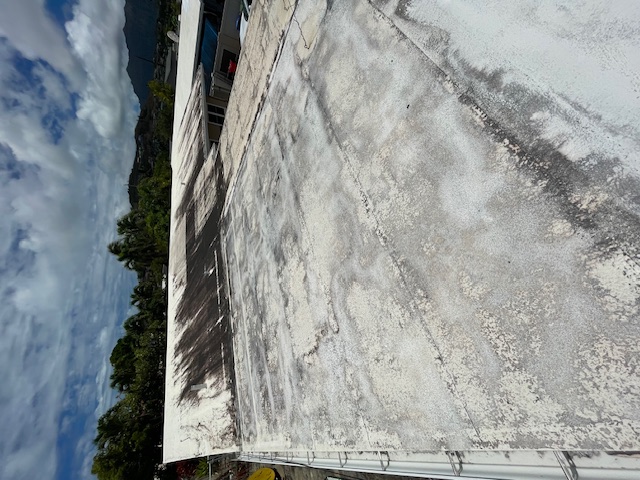
If you are seeing dark streaks on your shingles, you are not alone. Those marks are living algae, most often Gloeocapsa magma, thriving in our warm, moist air. Professional roof cleaning in Honolulu keeps your roof cooler, cleaner, and looking cared for. For a quick overview of what the service includes and why it works on island homes, start with our roof cleaning page.
Many homeowners search for roof cleaning in honolulu when stains spread after a rainy week or a muggy stretch with little wind. The right approach here is soft washing. It pairs low water pressure with targeted solutions to lift algae films without scarring shingles or etching tile. Done by a trained crew, the result is an even, long‑lasting clean without stress to the roof.
What Roof Cleaning in Honolulu Solves
Black streaks look like soot or dirt, but they are colonies of algae feeding on minerals in the shingle coating. On tile and metal, algae and lichen hold moisture against the surface. That trapped moisture raises roof temperature on sunny afternoons and can speed wear around fasteners, seams, and flashing.
- Black streaks are living algae, not just dirt. Left alone, they spread faster in shaded valleys and beneath tree canopies.
- Algae and lichen hold water, which can push heat deeper into your attic and stress roof components.
- Stains pull curb appeal down for homes across Waikiki, Kaimuki, Kalihi, and Pearl City.
In short, professional removal is not cosmetic alone. It supports a healthier, cooler roof surface across seasons.
Why Humidity and Microclimates Speed Up Algae
Honolulu’s climate is perfect for growth. Trade winds bring salty moisture, passing showers add frequent wetting, and our warm nights never quite dry shaded slopes. In areas like Manoa and Nuuanu, daily cloud cover and upslope breezes keep roofs damp longer. Hawaii Kai and Aina Haina get salt film that helps algae cling to surfaces. When moisture lingers, so do stains.
That is why homeowners often notice regrowth sooner in the valleys than on sun‑washed ridges. Roofs under big monkeypod or shower trees rarely get full drying. Shade lines at the eaves can show early streaking, too.
Soft Washing: The Safe Way To Clean Your Roof
Soft washing is a low‑pressure cleaning method designed for delicate surfaces. A pro balances the solution, dwell time, and gentle rinse so stains release without grinding grit into the surface. On asphalt shingles, this protects the mineral granules that shield your home from heat. On tile and metal, it helps clear pores and seams without forcing water under caps or panels.
Never let anyone blast shingles or tile with high pressure. High pressure can loosen granules, scar tile glaze, and drive water where it does not belong. A careful soft wash does the opposite. It cleans, protects, and keeps your roof uniform from ridge to gutter.
Stay off wet, algae‑covered roofs. Honolulu’s humidity and trade winds make surfaces slick in seconds. Let trained technicians handle inspection and cleaning so you avoid slips and hidden hazards around skylights, vents, and solar hardware.
What You Will Notice After Professional Cleaning
Most homeowners see the change right away. The roof color returns, the home looks brighter, and indoor rooms below west‑facing slopes often feel less stuffy during the afternoon. Over the next few rains, you should not see streaks reappear where water flows.
- Even, consistent color that lifts curb appeal on any Oahu street
- Less heat soak in the attic during sunny stretches
- Cleaner runoff paths that help keep gutters flowing
- Peace of mind that the surface was treated gently
For a deeper dive into island‑specific results, see our article why roof cleaning is essential in honolulu’s tropical climate. It explains how local weather patterns fuel growth and why a gentle, targeted clean lasts longer here.
How Often To Schedule Roof Care On Oahu
Frequency varies by shade, roof type, and proximity to the ocean. Homes tucked into rainier valleys like Manoa and Nuuanu often need attention sooner than sun‑drenched lots. As a general rhythm, many Honolulu homeowners plan service every 12 to 24 months, with quick visual check‑ins between rainy seasons. Tile may stretch a bit longer if it stays dry and sunny. Shady shingle areas may need cleaning on the early side of that range.
What matters most is staying proactive. Light, regular service is gentler than waiting until stains are heavy. That approach helps keep solutions mild and rinses short, which is better for your landscaping and for the roof itself.
What A Professional Visit Includes
A trained crew begins with a ground‑level assessment and a look from safe vantage points. They check materials, pitch, drainage, and note skylights, vents, and any solar equipment. Landscaping near the drip line gets rinsed and covered as needed. Then the team applies a low‑pressure solution, allows proper dwell time, and rinses evenly so the surface cleans without striping.
Expect care around panel mounts, flashings, and ridge vents. Technicians route hoses to avoid dragging across edges or catching on hardware. They also manage runoff on walkways, lanais, and driveways so your property stays tidy. For a broader look at gentle exterior care, explore our soft washing services that protect siding, trim, and other delicate surfaces around the home.
Neighborhood Nuance: Honolulu Homes Are Not All The Same
Kaimuki and Kapahulu see longer afternoon sun that bakes stains faster if algae takes hold. Kalihi and Nuuanu roofs often dry more slowly after passing showers. Pearl City and Ewa Beach get more dust and salt, which helps stains grip tight. If your roof sits beneath tree lines or near ridgelines that funnel wind and mist, you will likely need a shorter maintenance cycle.
Honolulu homes also mix materials. Asphalt shingle, concrete tile, and standing seam metal each respond differently to the same weather. That is one reason there is no one‑size‑fits‑all formula. A local team reads your roof, your shade, and your neighborhood’s weather patterns to match the right cleaning plan.
When To Call A Pro
From the sidewalk, you might see streaks that seem harmless. If you also notice granules collecting at downspouts, slick patches that persist after dry days, or lichen spots that never rinse clean, it is time to schedule service. Black stains spread fastest when ignored, and a shorter interval keeps each visit lighter and gentler.
If you are comparing options, look for a company that specializes in soft washing and understands island microclimates. That local know‑how matters when planning protection for plants, routing water around lanais, and working safely near solar arrays. To understand the method more fully, you can also read roof cleaning for hawaiian homes from our tips archive.
Why Choose ProSoftWash For Honolulu Roofs
ProSoftWash focuses on soft washing because it is the safe, proven way to remove algae on delicate surfaces. Our crews work across Honolulu, Kailua, Kaneohe, Aiea, and nearby neighborhoods, and we tailor each visit to your roof’s material and setting. You will get clear communication, careful protection for your landscaping, and results that make your home look cared for all year.
If you want a gentle process that lifts stains without stress to your roof, learn more on our roof cleaning service page. It outlines how we approach different materials and what you can expect on appointment day.
Ready For Black Stain Removal That Lasts?
Let a local expert handle the slippery, stain‑prone conditions that come with our island weather. Schedule a visit with ProSoftWash today at 808-225-9587 and keep your roof cooler, cleaner, and safer through every season. To book a time that fits your week, head to our page on roof cleaning and we will take care of the rest.